Articles
Original writing on getting more out of AI tools.

Prompt engineering, tested: six tricks, 411 answers, scored by code
We ran six popular prompting techniques against developer tasks on three models and scored every answer with code. Three helped everywhere, one did nothing, two depended on the model. Here are the prompts, the numbers, and a script to test your own.

Attention from scratch: a step-by-step tutorial in NumPy
How a transformer works out that 'it' means the cat: dot products, softmax and a weighted sum, built in about a dozen lines of NumPy and worked by hand, number by number.
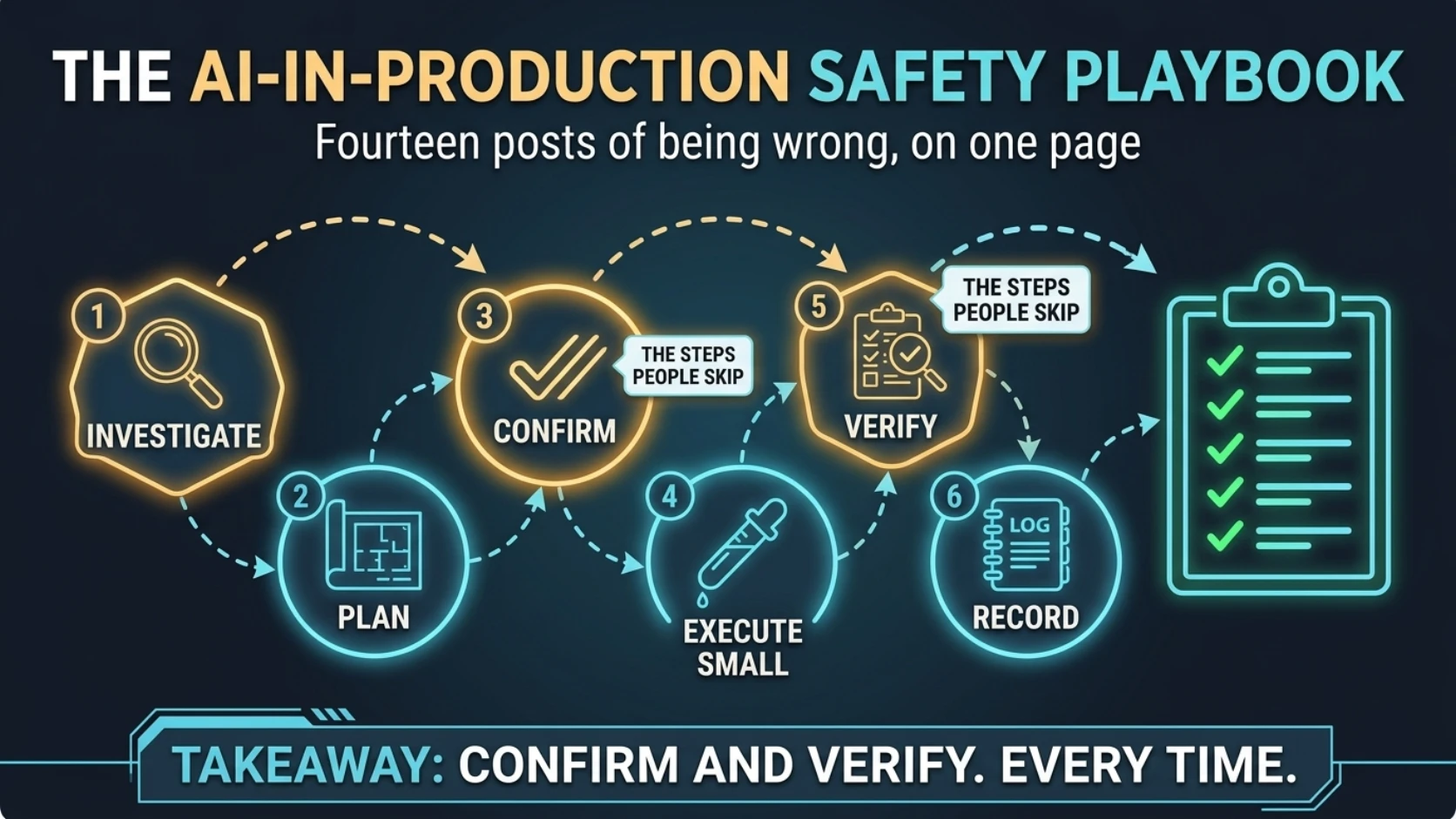
The AI-in-production safety playbook
Fourteen posts of being wrong in production, compressed to checkboxes
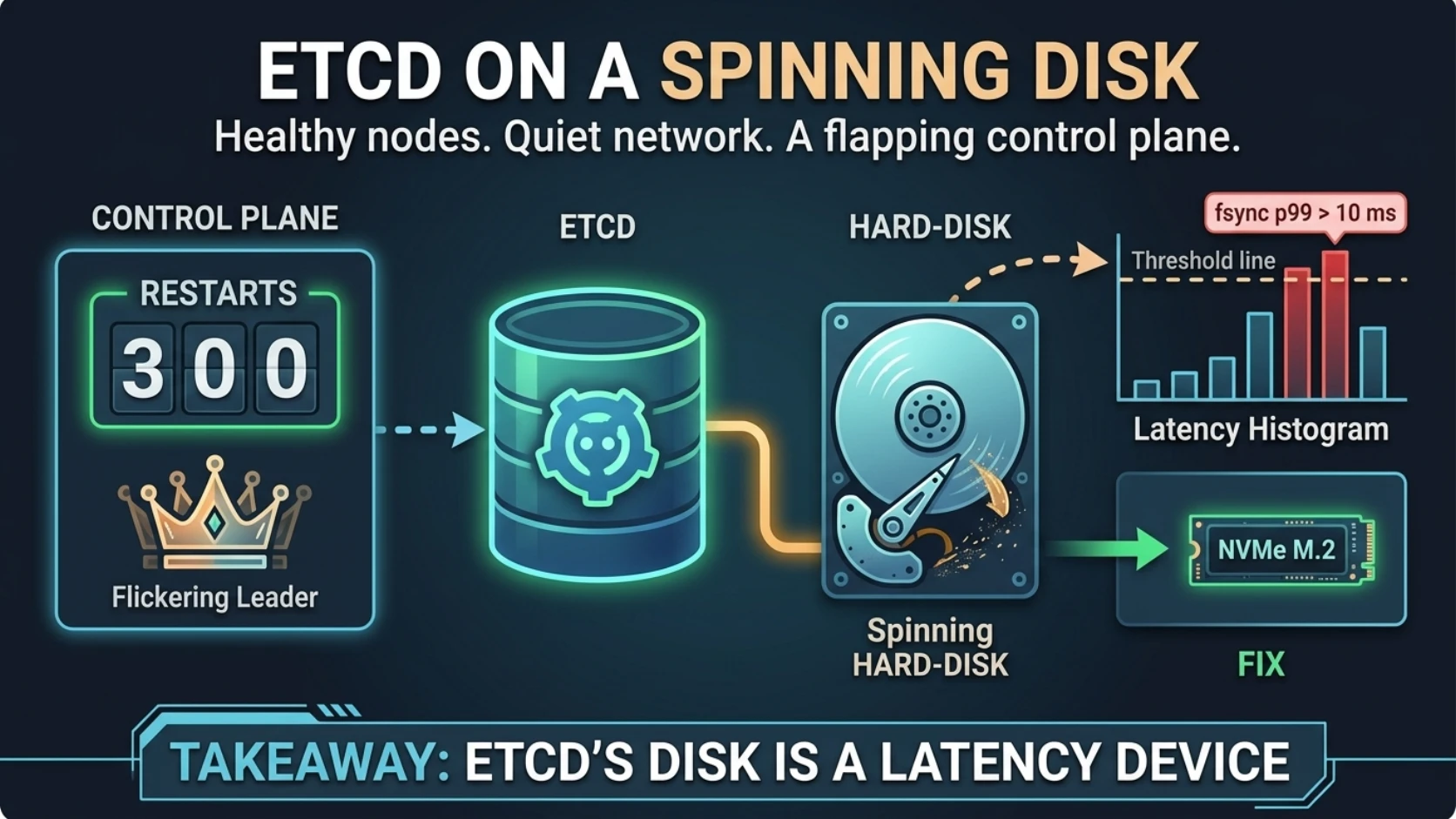
The control plane was flapping because of a spinning disk
Healthy nodes, a quiet network, 300 restarts in three days, and a latency budget measured in milliseconds
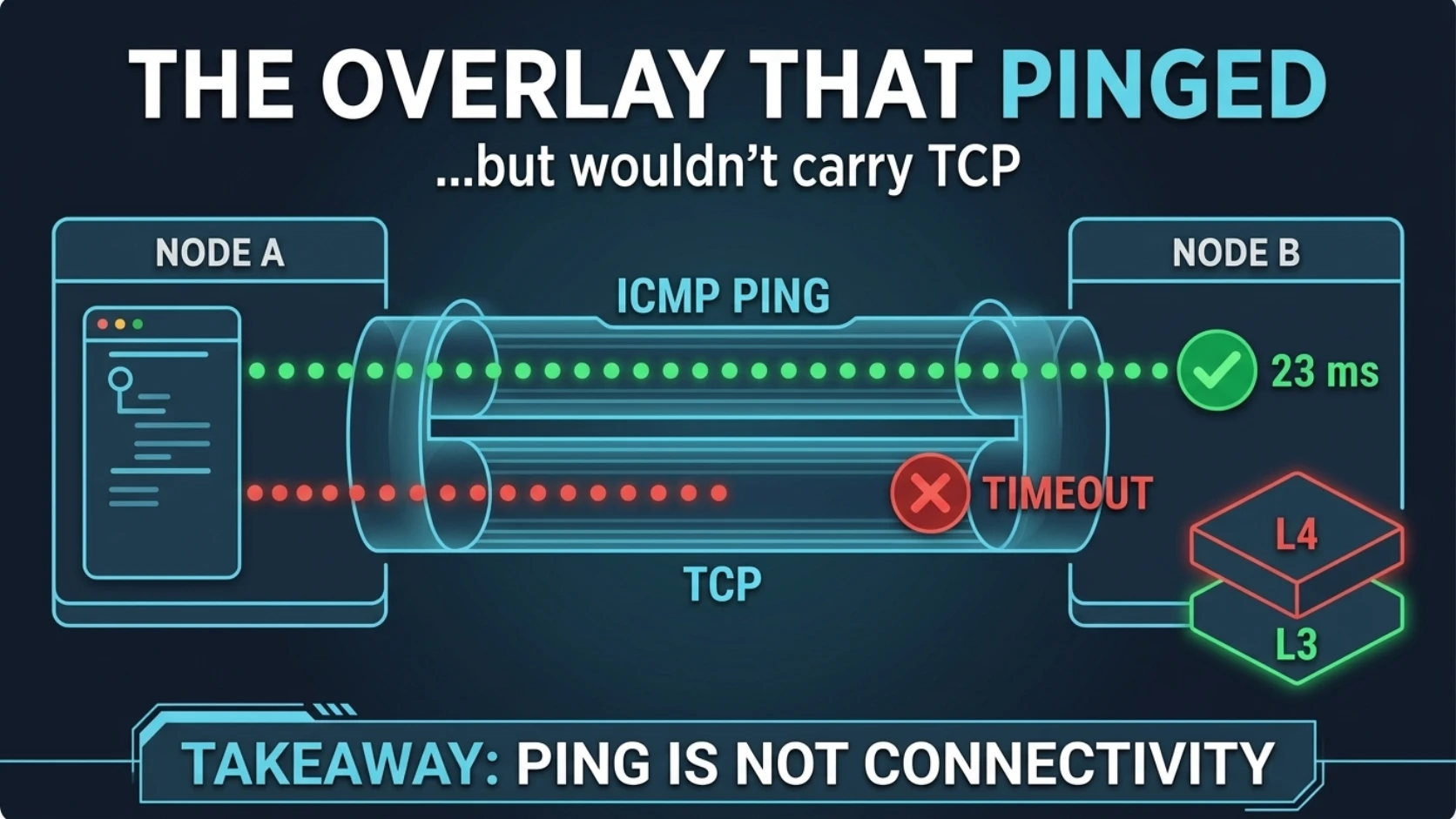
The overlay that pinged but wouldn't carry TCP
Discovery worked. Ping worked. Every TCP connection timed out, and later the tunnel only worked when someone had a terminal open.
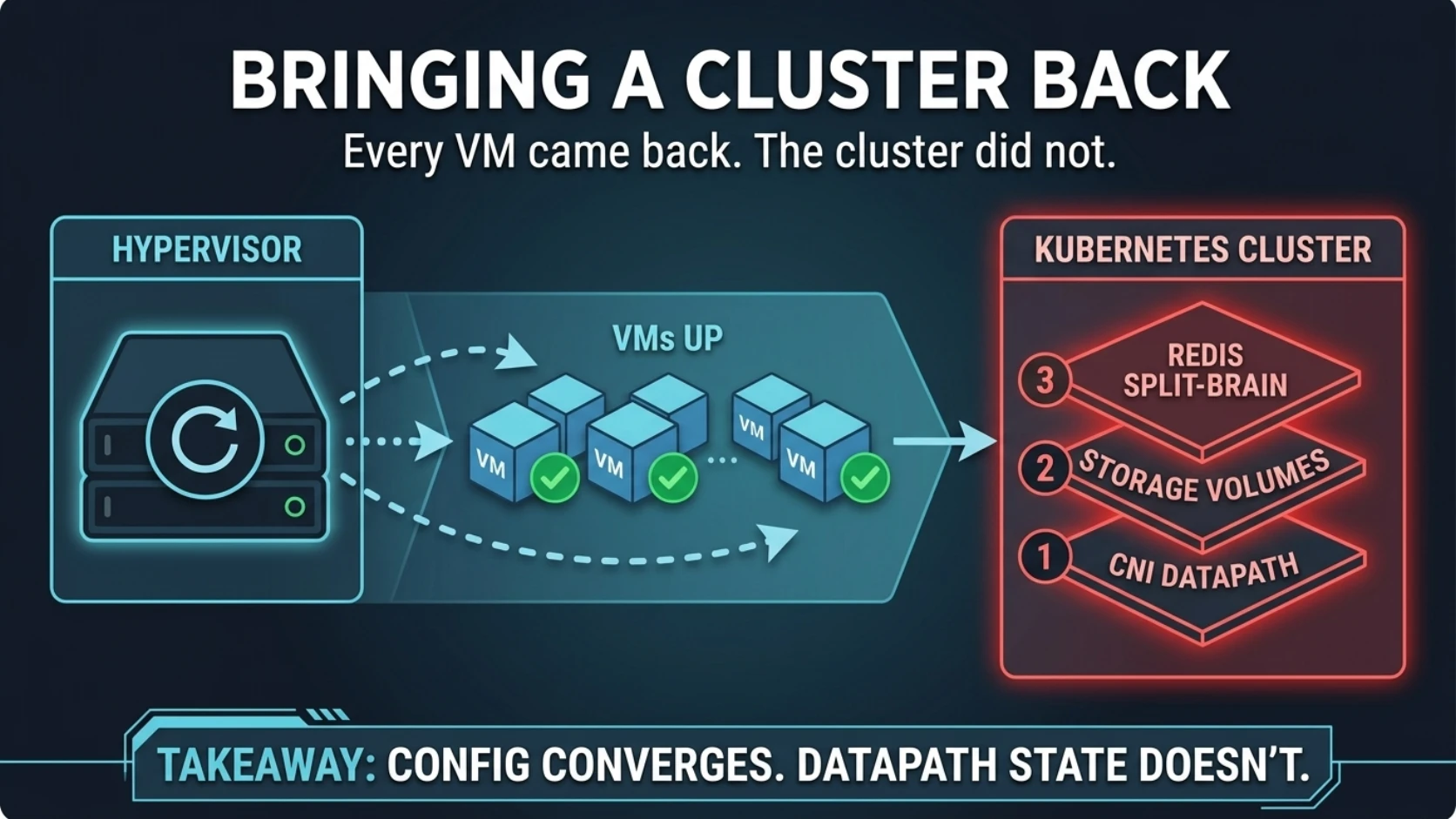
Bringing a cluster back after the host rebooted
Every VM came back. The cluster did not. Declarative systems converge on config, and the datapath isn't config.
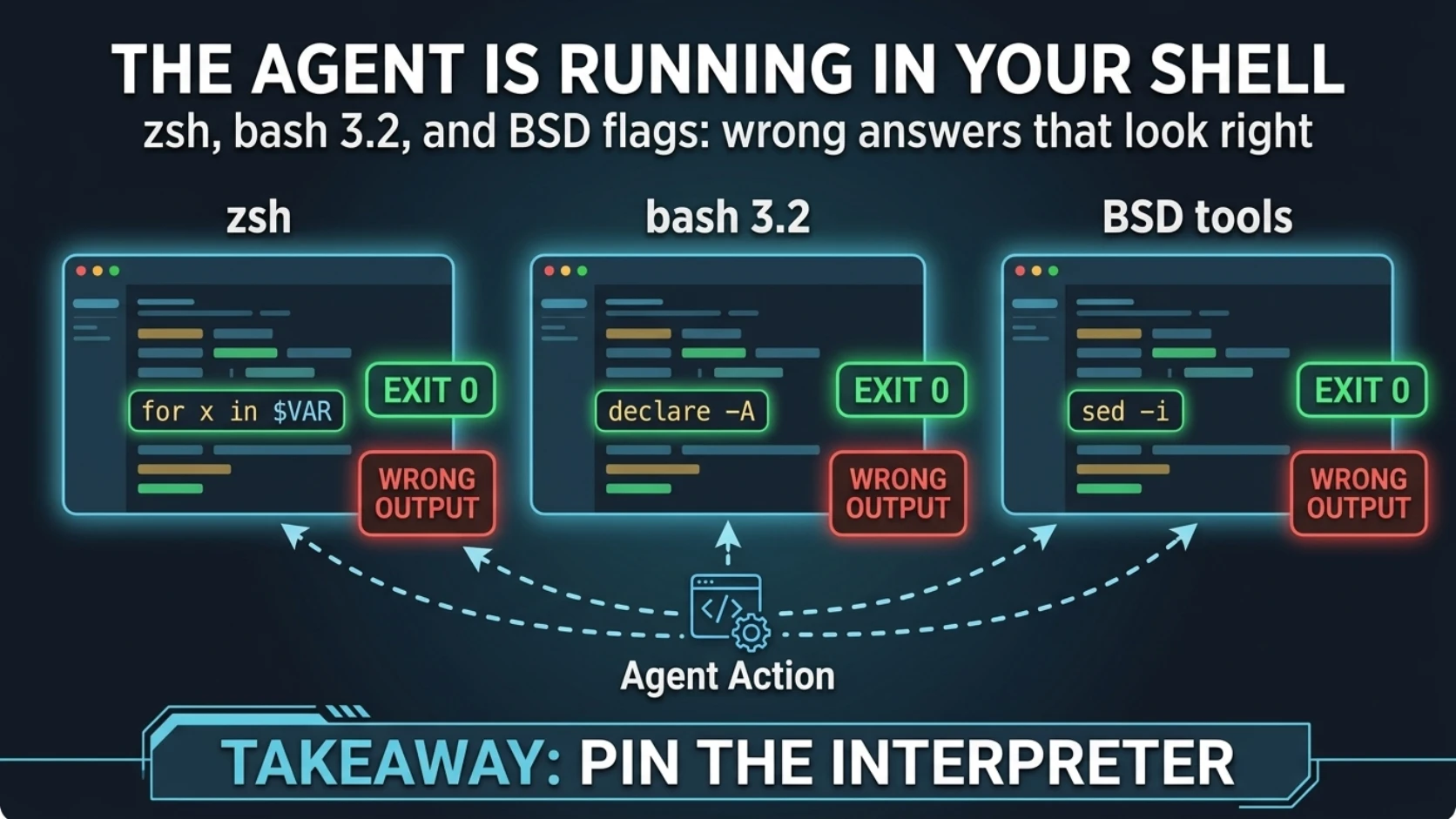
The agent is running in *your* shell
A surprising share of AI-in-the-terminal failures aren't the AI. They're zsh, and a version of bash from 2006.

How to create and share a Claude Code plugin
A Claude Code plugin turns standalone project configuration into a namespaced, installable extension that teams and communities can update as one unit.
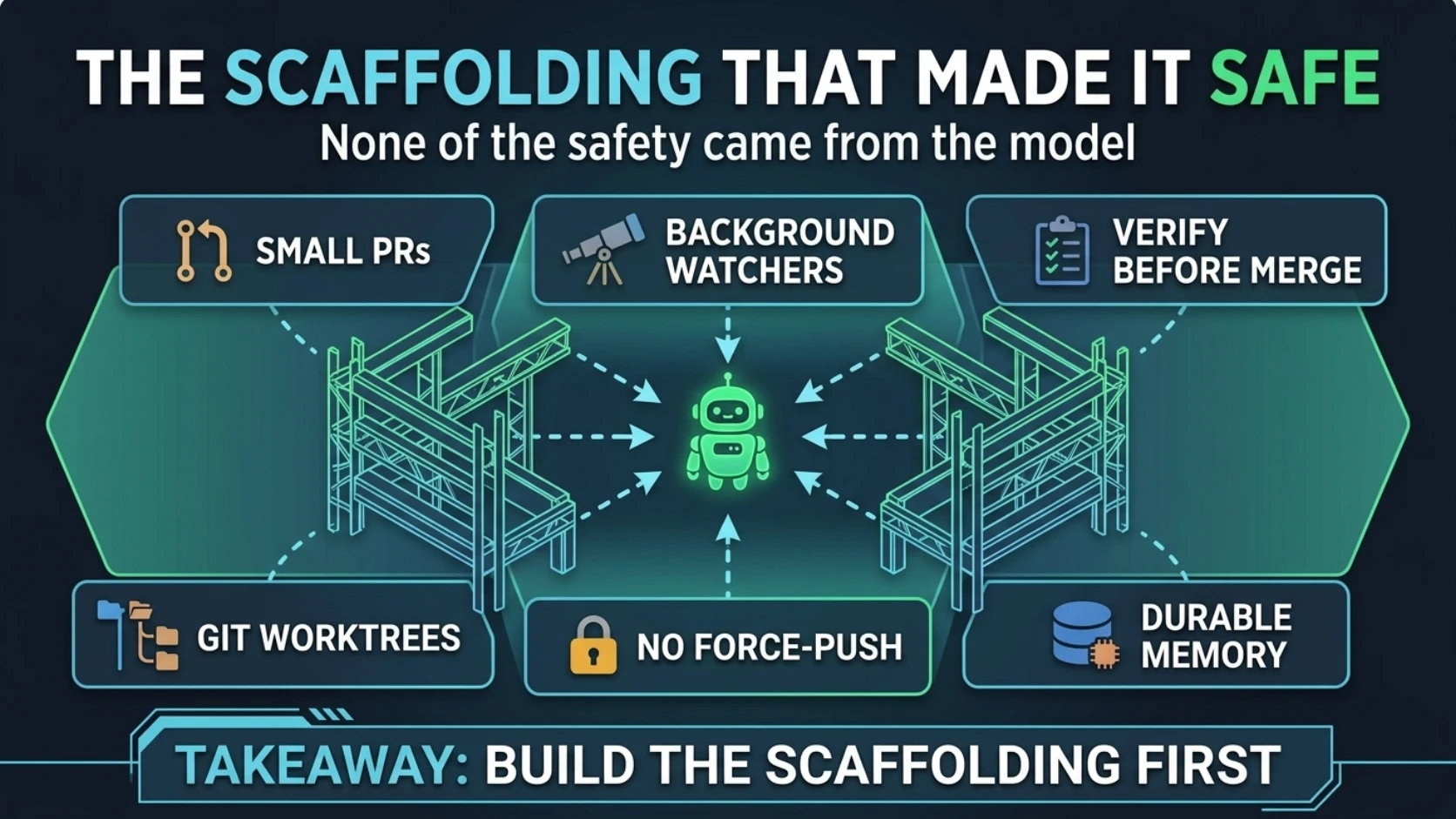
The scaffolding that made it safe
None of the safety came from the model. It came from six boring habits.

Claude Code skills vs. subagents: when to use each
Skills package instructions and references. Subagents run work in a separate context and return results. They solve different problems and can be composed deliberately.
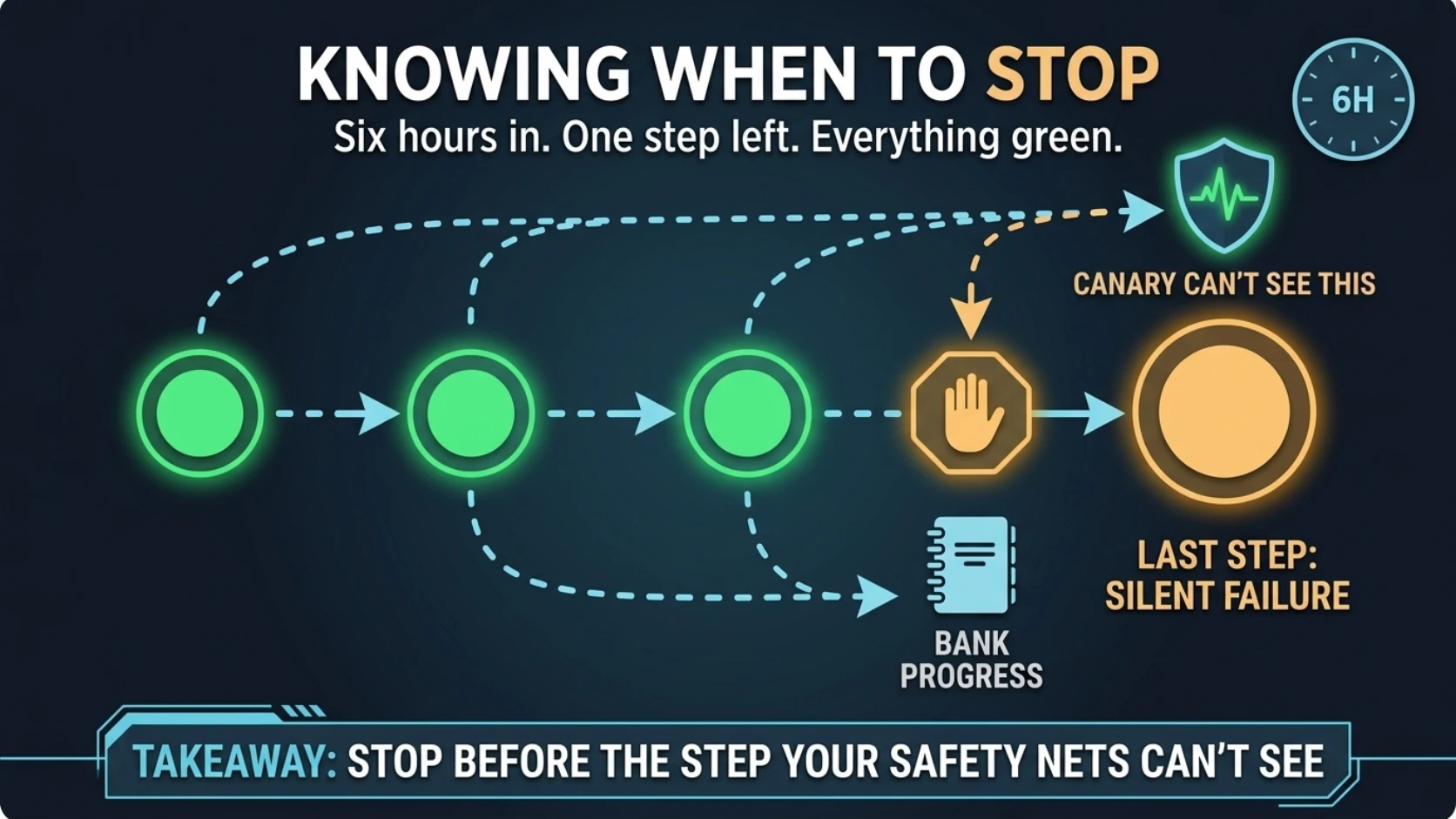
Knowing when to stop
Six hours in, one step left, everything green, and the incident that didn't happen

CLAUDE.md vs. skills: where should Claude Code instructions live?
CLAUDE.md carries persistent project context. Skills load reusable procedures when relevant. Separating stable facts from task-specific workflows keeps both easier to maintain.
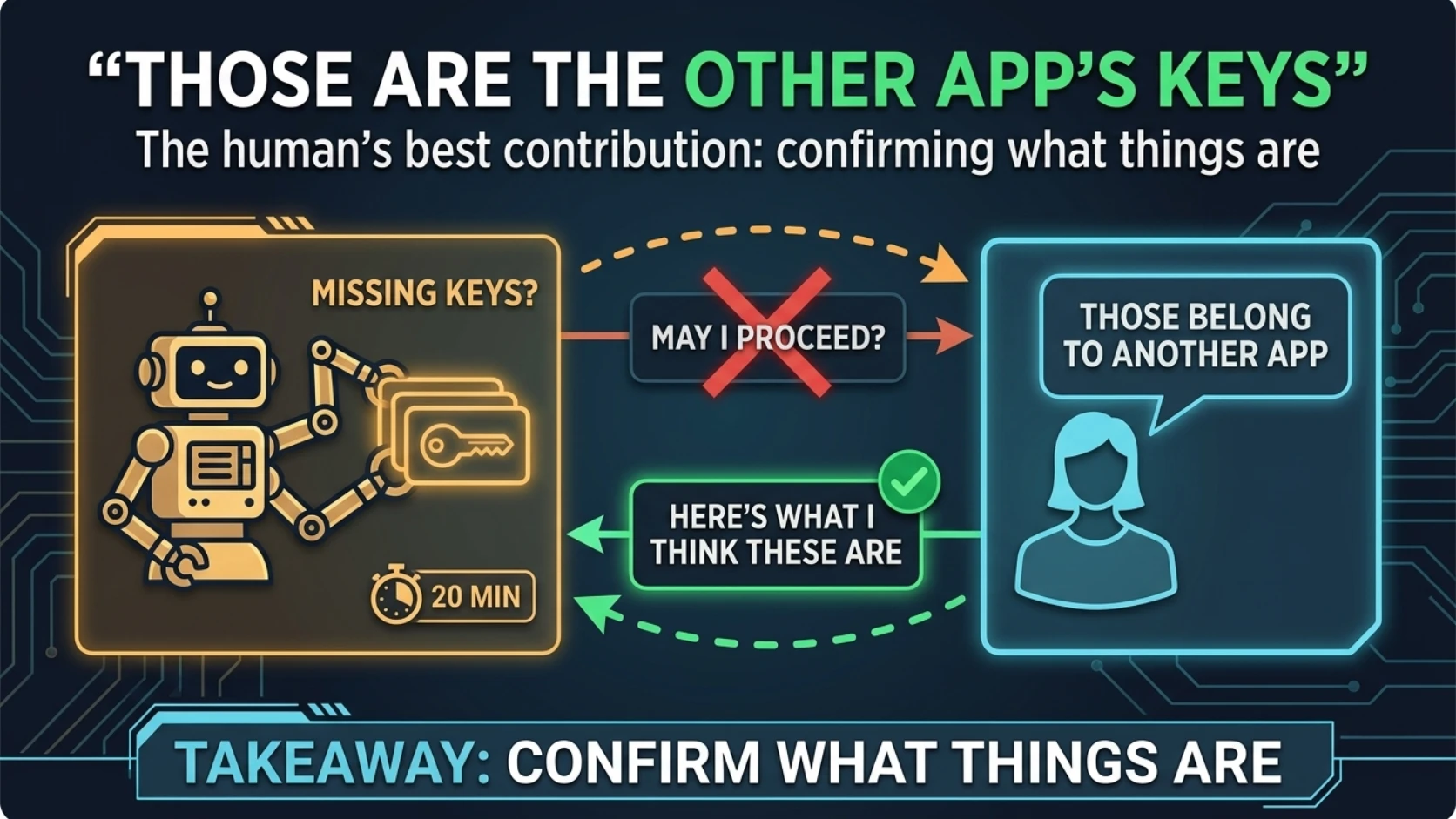
Those are the other app's keys
Twenty minutes recovering secrets that never existed, and the one sentence from a human that ended it

How to use remote MCP servers with the OpenAI Responses API
An API request routing a model's tool call through an approval gate to a remote MCP server
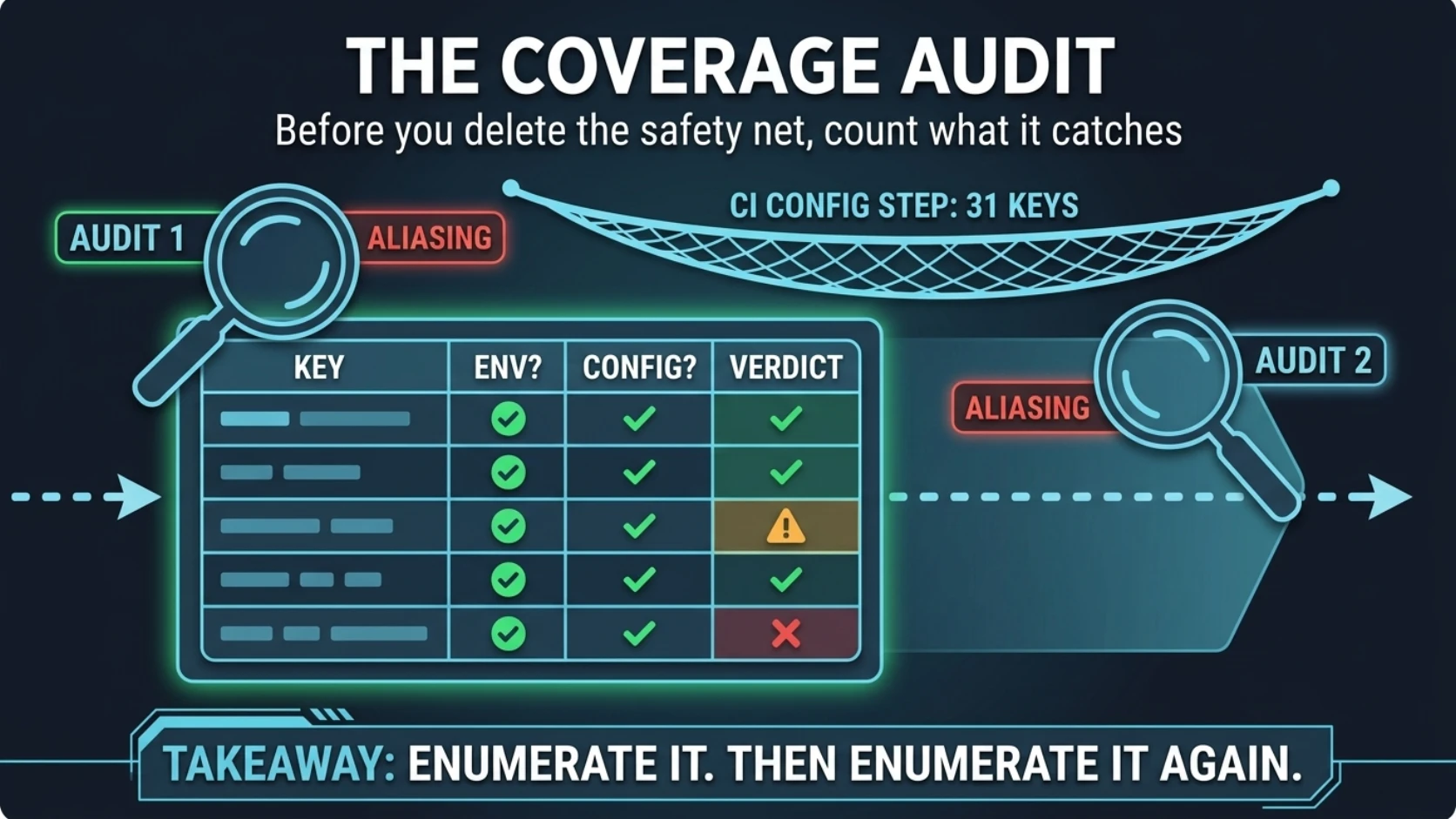
The coverage audit before you delete the safety net
31 config keys, two audits, and why the first one was wrong in both directions

How to publish an MCP server to the official MCP Registry
The official MCP Registry stores standardized server metadata rather than package code. Publishers verify a namespace, describe installation or remote access, and submit immutable versions.
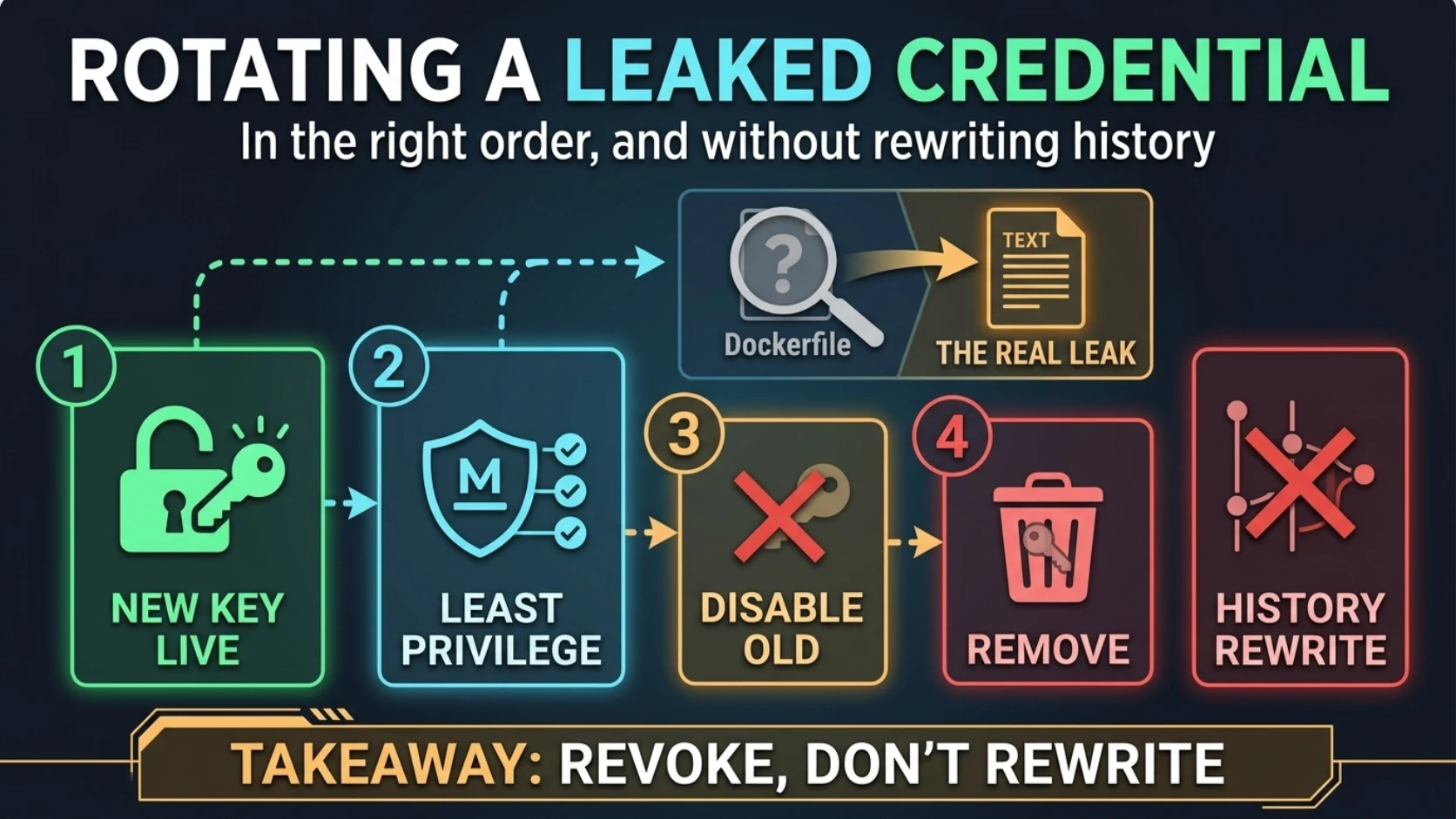
Rotating a leaked credential, in the right order
Everyone looks at the Dockerfile. The file that actually leaked the key was the project file.

MCP authentication explained: OAuth, scopes, and safe token handling
Remote MCP authorization uses established OAuth standards, but secure integration still requires issuer validation, least-privilege scopes, protected token handling, and server-side enforcement.
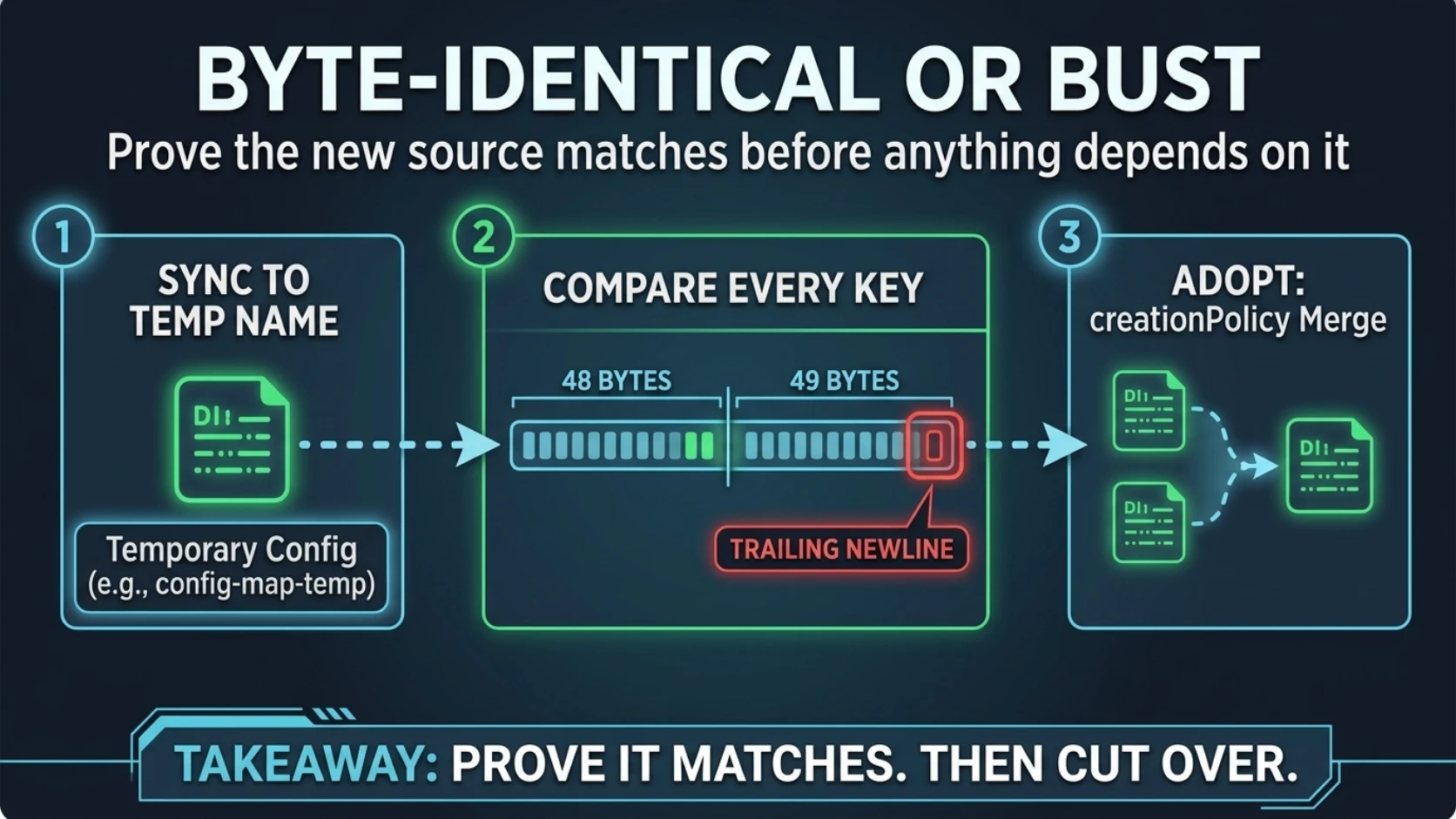
Byte-identical or bust
"Copy it over and switch the reference" is two steps, and the outage lives in the one nobody checks
MCP stdio vs. Streamable HTTP: which transport should you use?
stdio fits local processes and prototypes. Streamable HTTP fits hosted services and shared integrations. The right choice follows where the capability runs and who must reach it.
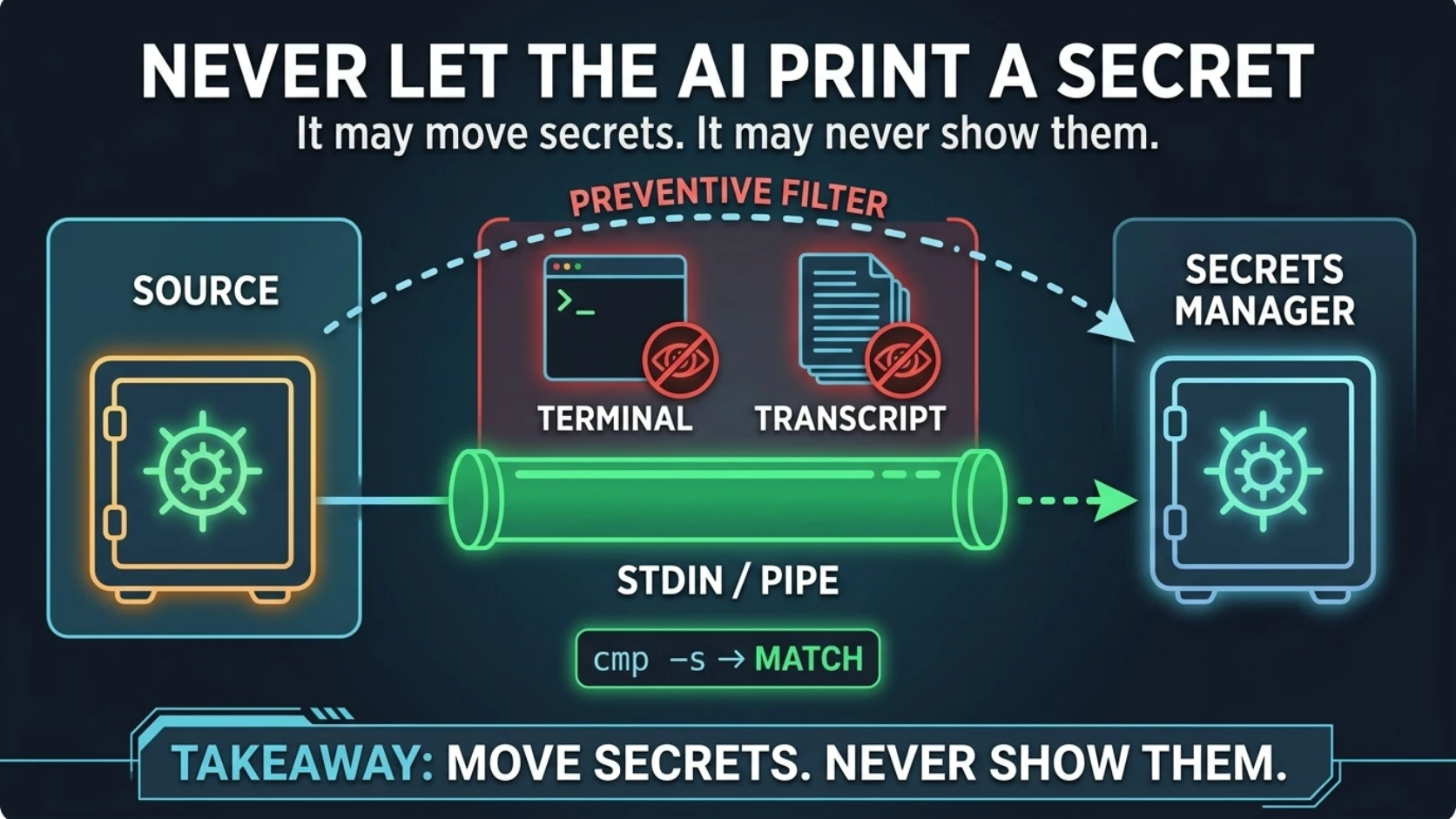
Never let the AI print a secret
The most important rule wasn't about what I could change. It was about what I was allowed to display.

MCP tools vs. resources vs. prompts: when to use each
Tools perform operations, resources expose readable context, and prompts provide reusable templates. Choosing the correct primitive makes an MCP server easier to understand and govern.

How to test an MCP server with MCP Inspector
Use MCP Inspector to connect to local or remote servers, inspect capabilities, call tools, read resources, test prompts, and diagnose failures before release.
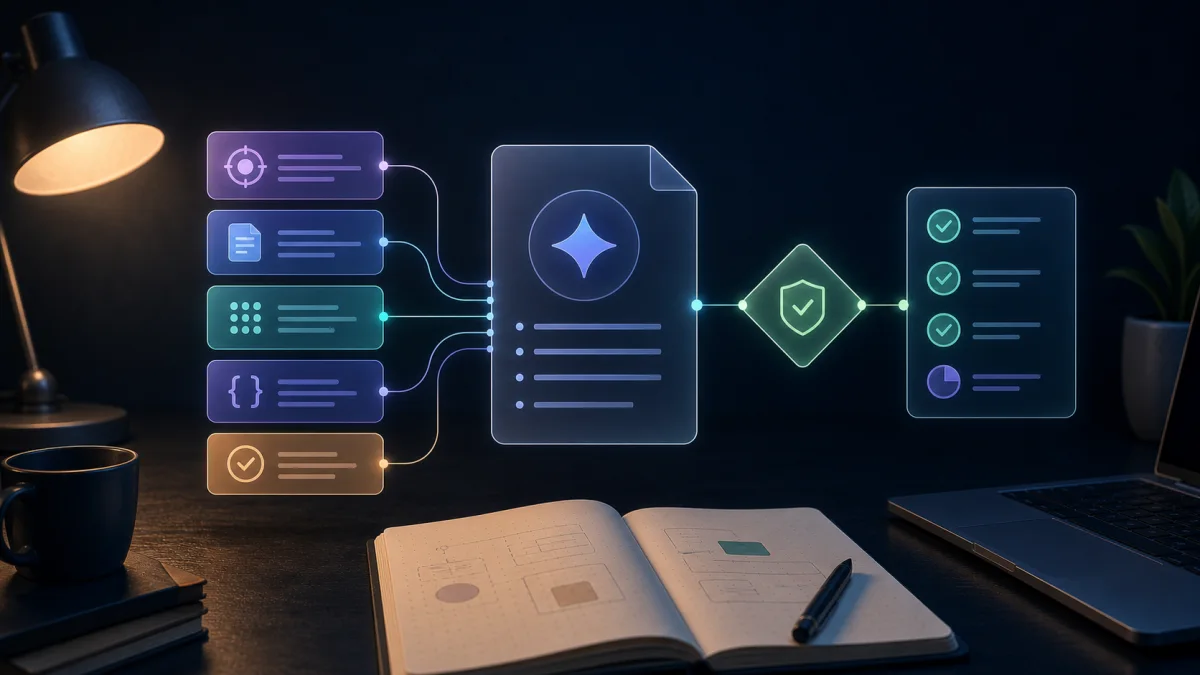
How to build an MCP server in TypeScript: step-by-step
Build an MCP server in TypeScript with focused tools, validated schemas, local and remote transports, Inspector tests, and production security controls.