#security
26 skills & prompts · 2 tools · 13 MCP servers · 17 articles
Skills & prompts
See all 26Security-review skill for Claude
A structured security pass over a diff — checks the OWASP-relevant classes, ranks by exploitability, and shows a repro.
ai-engineering-toolkit
6 production-ready AI engineering workflows: prompt evaluation (8-dimension scoring), context budget planning, RAG pipeline design, agent security audit (65-point checklist), eval harness building, and product sense coaching.
cyber-audit
Run read-only exposure checks for security advisories and write a structured local audit report.
audit-skills
Expert security auditor for AI Skills and Bundles. Performs non-intrusive static analysis to identify malicious patterns, data leaks, system stability risks, and obfuscated payloads across Windows, macOS, Linux/Unix, and Mobile (Android/iOS).
binary-analysis
Analyze unknown binary files through a deterministic CLI that wraps Ghidra's static-analysis engine. Use when you need to inspect a PE, ELF, or Mach-O file — triage suspicious binaries, map imported APIs, decompile functions, trace call paths, or produce structured evidence repor
geo-technical
Technical SEO audit with GEO-specific checks — crawlability, indexability, security, performance, SSR, and AI crawler access
skill-audit
Pre-install security scanner for AI agent skills. 7.5% of 14,706 skills are malicious. Audit before you trust.
varlock
Secure environment variable management with Varlock. Use when handling secrets, API keys, credentials, or any sensitive configuration. Ensures secrets are never exposed in terminals, logs, traces, or Claude's context. Trigger phrases include "environment variables", "secrets", ".
apify-osint-threat-intel
Use this skill when the user asks to "find CVEs for", "check if my domain is breached", "threat intel on", "OSINT on", "security news about", "attack surface of", "is this IP malicious", "what vulnerabilities affect", "security advisory for", "monitor threats for", "threat actor
absolute-audit
Vulnerability and security scan (defensive, your own repo): dependency CVEs plus risky code patterns (secrets, injection, weak authz), severity x reachability triaged and remediated without suppressing. Complements the built-in /security-review. Triggers on "absolute audit", "sec
github-workflow-automation
Advanced GitHub Actions workflow automation with AI swarm coordination, intelligent CI/CD pipelines, and comprehensive repository management
dockerfile-linter
Checks a Dockerfile for common problems such as unpinned base images, running as root, ADD instead of COPY, secrets in ENV or ARG and apt-get without cleanup. Use when the user asks to review, harden or slim down a Dockerfile.
Tools
"Never send a human to do a machine's job" - Open Source AI hacking agent
MCP servers
See all 13Governance runtime for compliance: verified, human-approved writes to a tamper-evident record.
Free deterministic security scan of public git repos: OSV.dev vulnerable deps, secrets, config lint.
Solana token/wallet rug-risk scoring. Free scan; $2 SOL unlocks full wallet report. No signup.
Reputation of IPs, domains, URLs, hashes, emails and phones; CVE lookups; prompt-injection scans
WHOIS/RDAP, DNS, SSL, live subdomains with IPs, and SPF/DMARC/DKIM for any domain.
Runtime verification for agent tool calls: Ed25519 signed receipts, fail-closed RCE/SSRF checks.
Your whole business as one MCP server: analytics, CRM, SEO, ads, revenue. Scoped per data class.
Scan a GitHub repository for vulnerabilities, with proof for every finding, from your coding agent.
Search excessionlabs.ai, list model prices, and request a security test from Excession Labs.
Passive security audit of a public website: HTTPS, headers, cookies, TLS, DNS, email, security.txt
Automated security scanner for Model Context Protocol servers that detects RCE, path traversal, prompt injection, and protocol vulnerabilities.
Articles
See all 17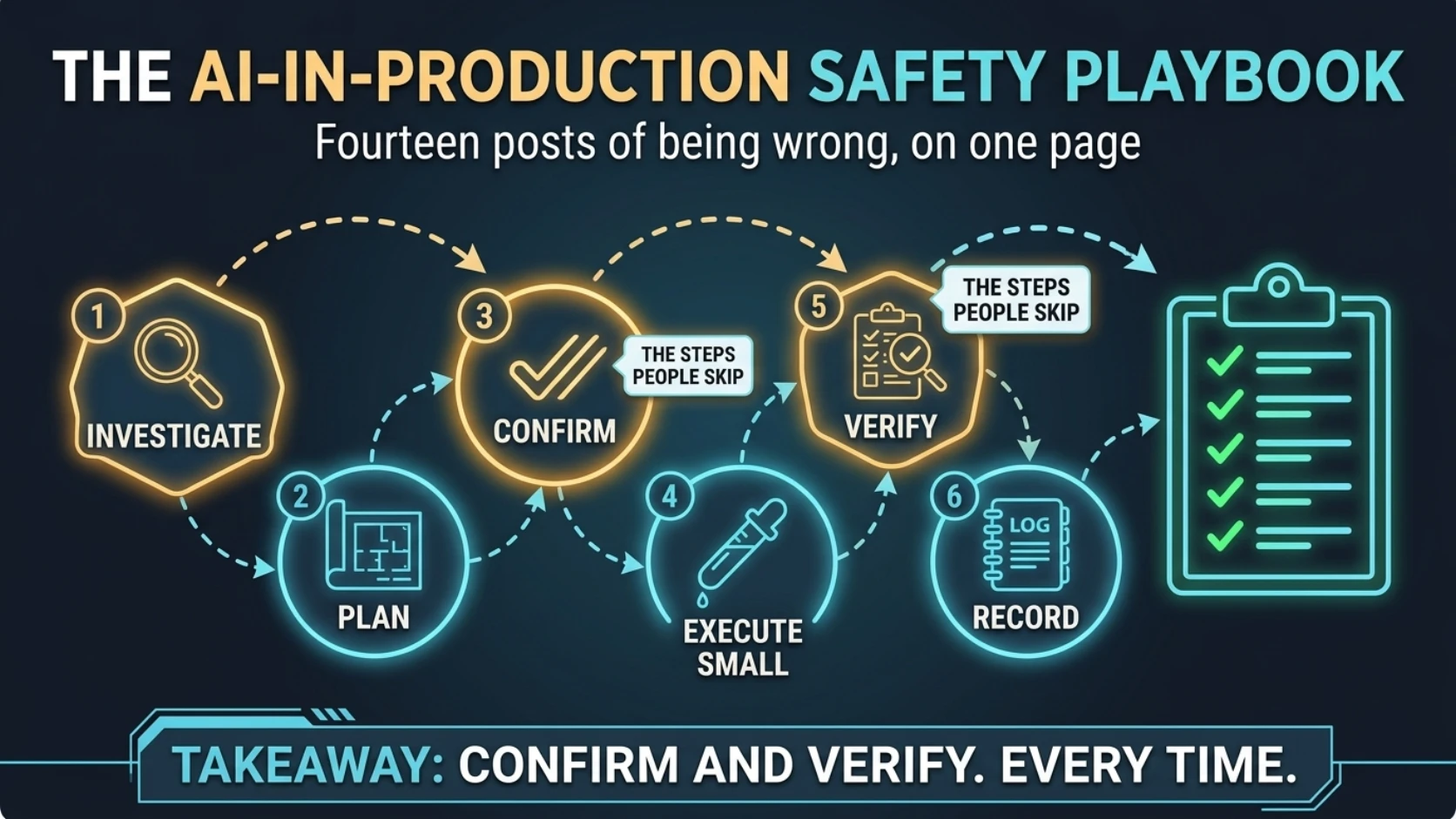
The AI-in-production safety playbook
Fourteen posts of being wrong in production, compressed to checkboxes

How to create and share a Claude Code plugin
A Claude Code plugin turns standalone project configuration into a namespaced, installable extension that teams and communities can update as one unit.
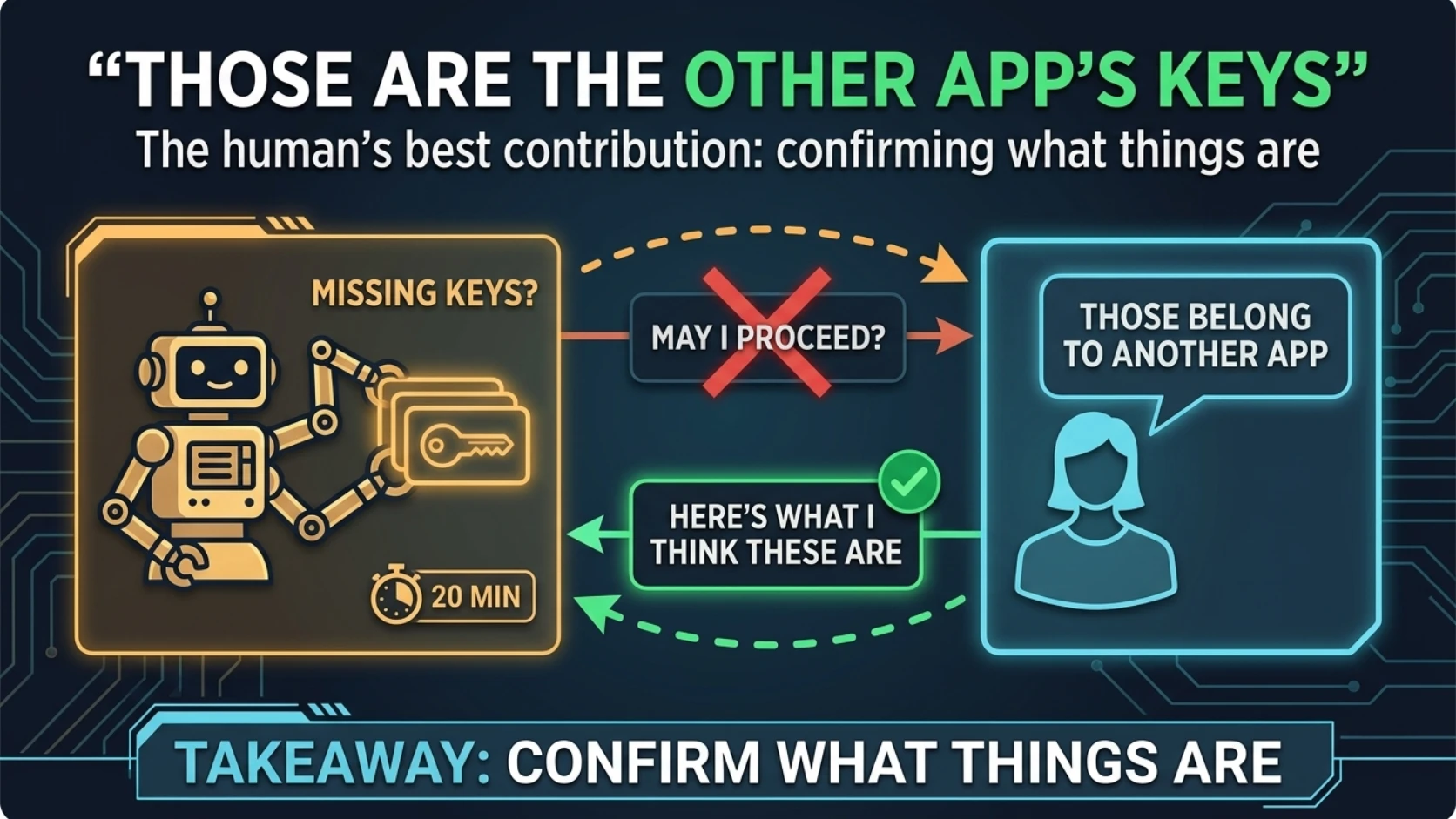
Those are the other app's keys
Twenty minutes recovering secrets that never existed, and the one sentence from a human that ended it

How to use remote MCP servers with the OpenAI Responses API
An API request routing a model's tool call through an approval gate to a remote MCP server
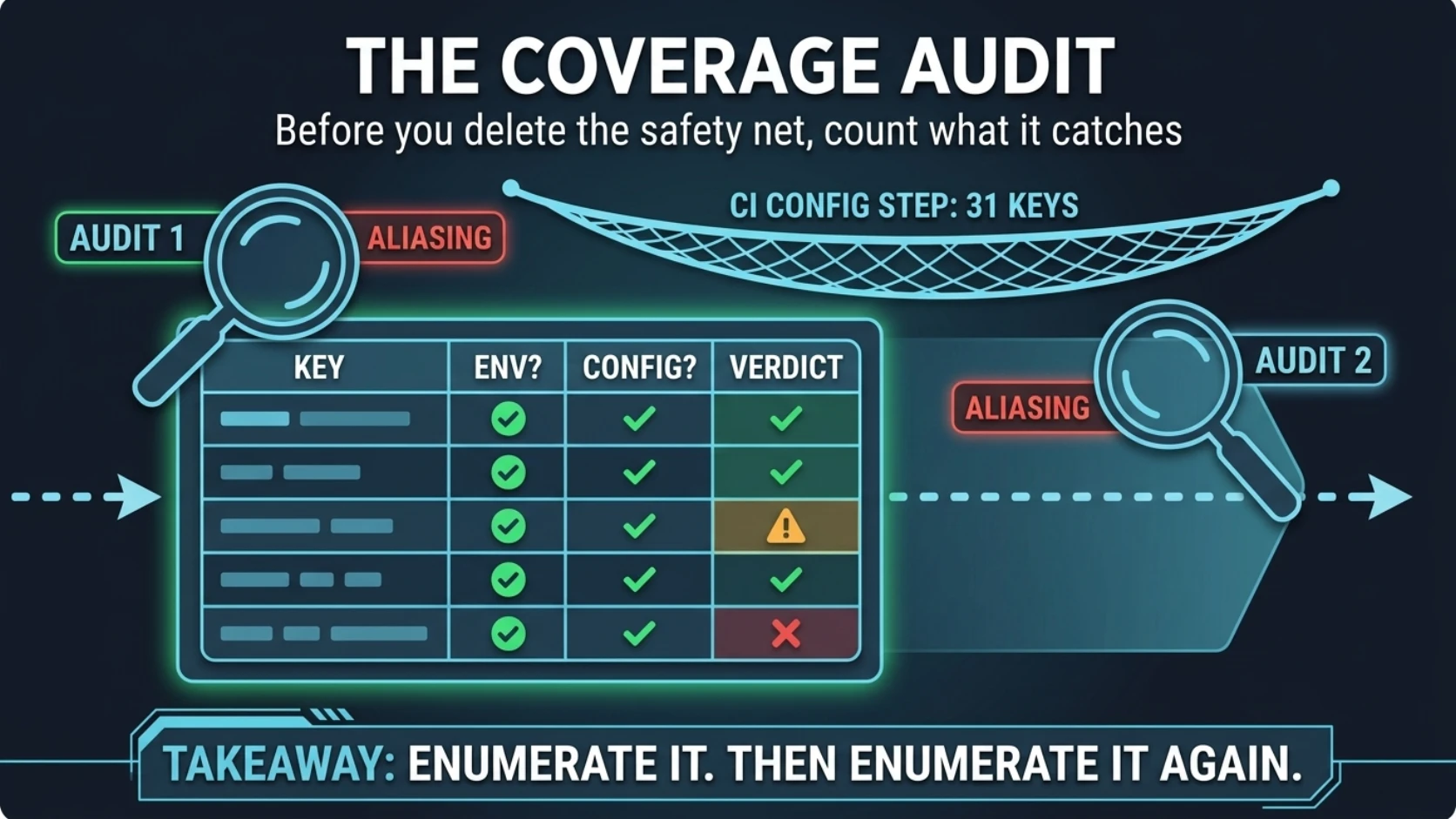
The coverage audit before you delete the safety net
31 config keys, two audits, and why the first one was wrong in both directions

How to publish an MCP server to the official MCP Registry
The official MCP Registry stores standardized server metadata rather than package code. Publishers verify a namespace, describe installation or remote access, and submit immutable versions.
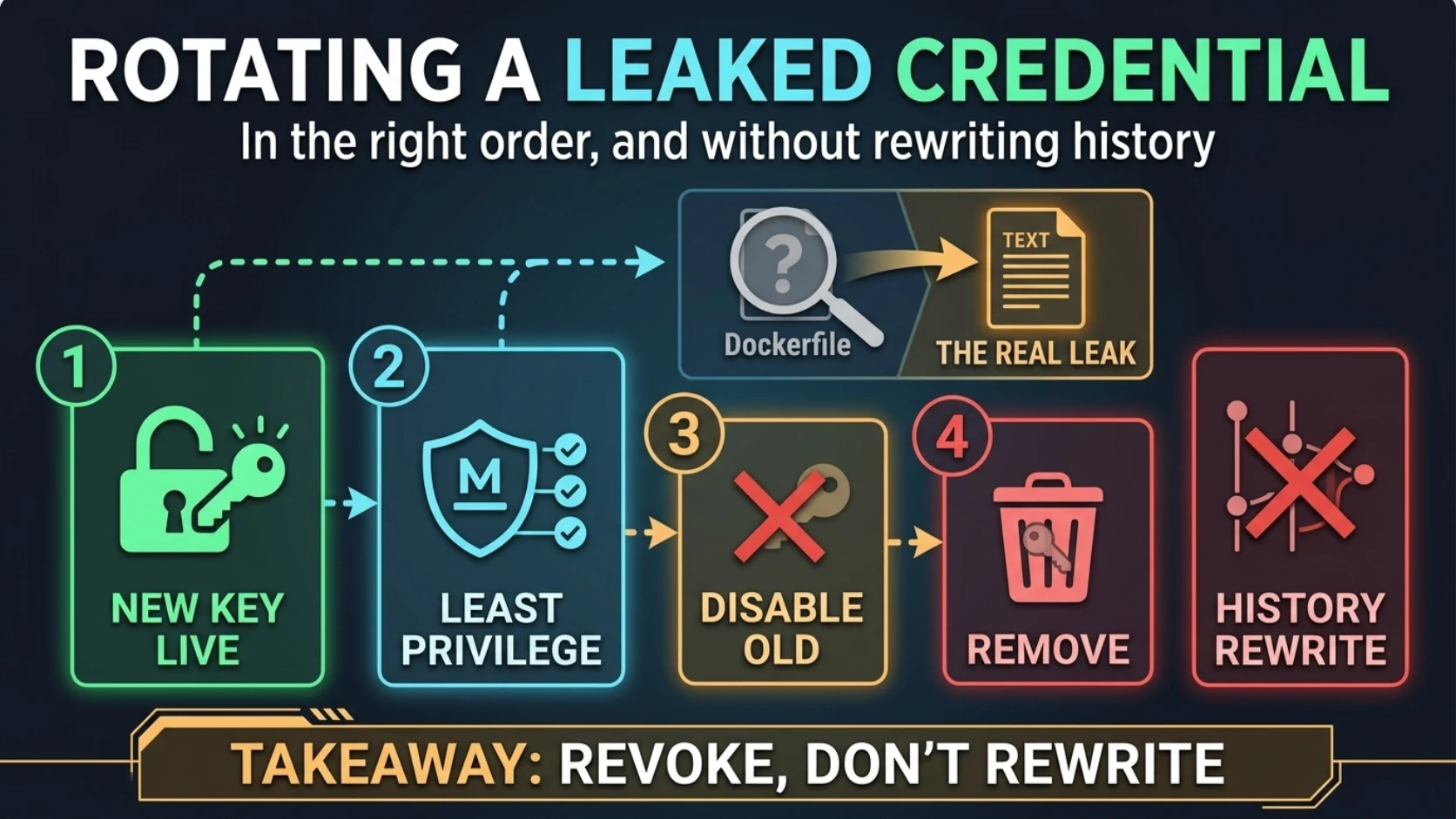
Rotating a leaked credential, in the right order
Everyone looks at the Dockerfile. The file that actually leaked the key was the project file.

MCP authentication explained: OAuth, scopes, and safe token handling
Remote MCP authorization uses established OAuth standards, but secure integration still requires issuer validation, least-privilege scopes, protected token handling, and server-side enforcement.
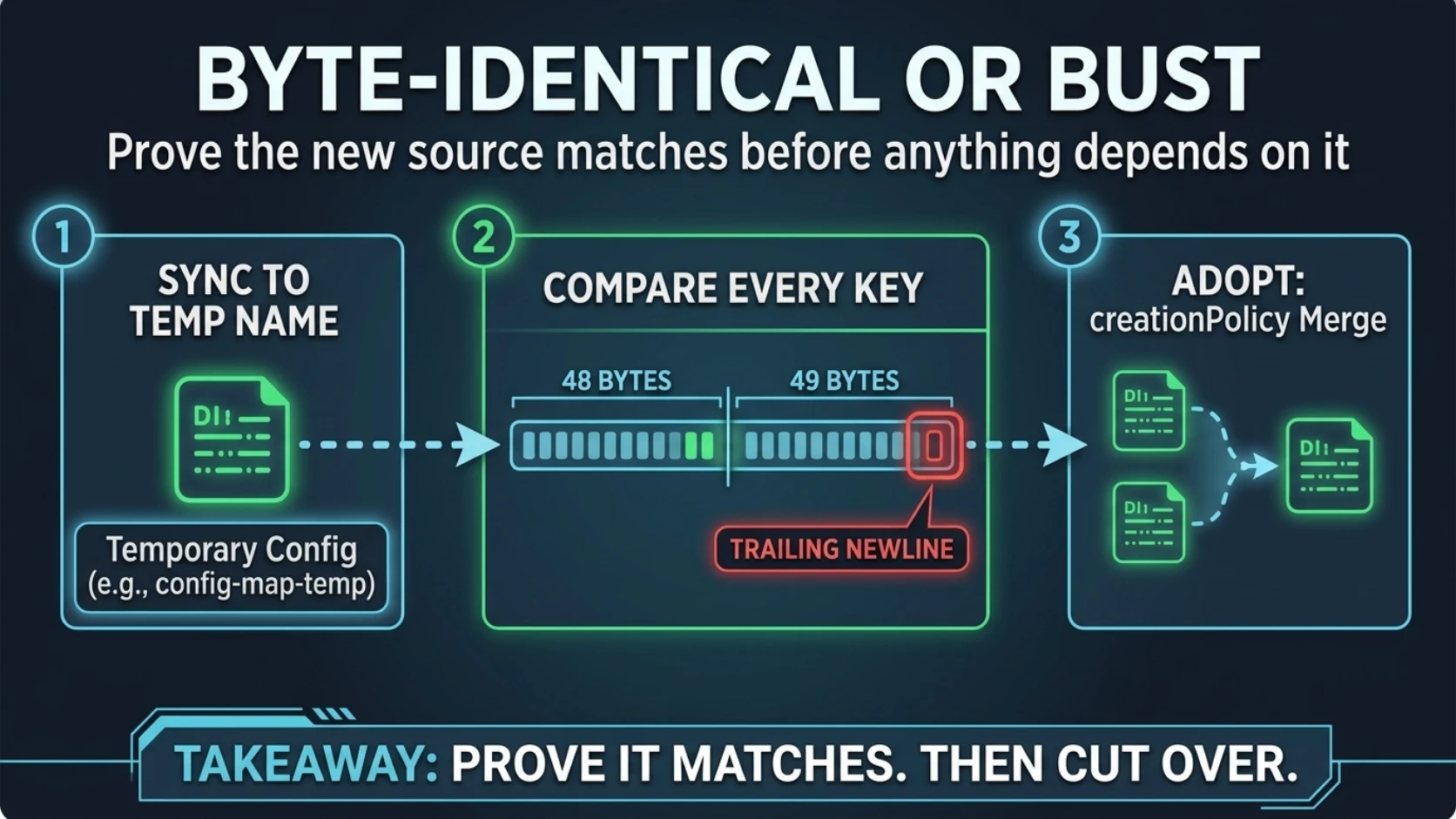
Byte-identical or bust
"Copy it over and switch the reference" is two steps, and the outage lives in the one nobody checks
MCP stdio vs. Streamable HTTP: which transport should you use?
stdio fits local processes and prototypes. Streamable HTTP fits hosted services and shared integrations. The right choice follows where the capability runs and who must reach it.
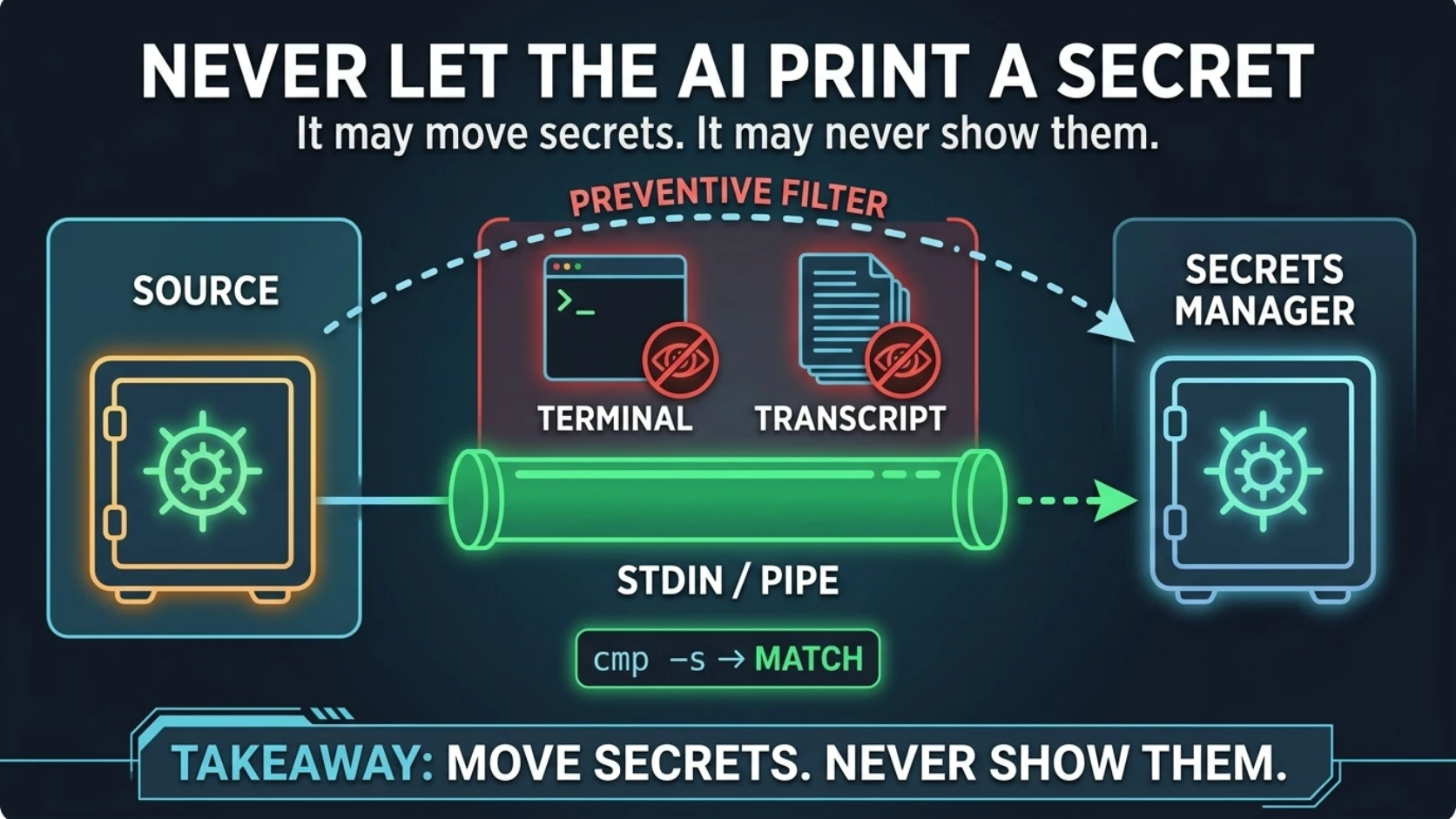
Never let the AI print a secret
The most important rule wasn't about what I could change. It was about what I was allowed to display.

MCP tools vs. resources vs. prompts: when to use each
Tools perform operations, resources expose readable context, and prompts provide reusable templates. Choosing the correct primitive makes an MCP server easier to understand and govern.